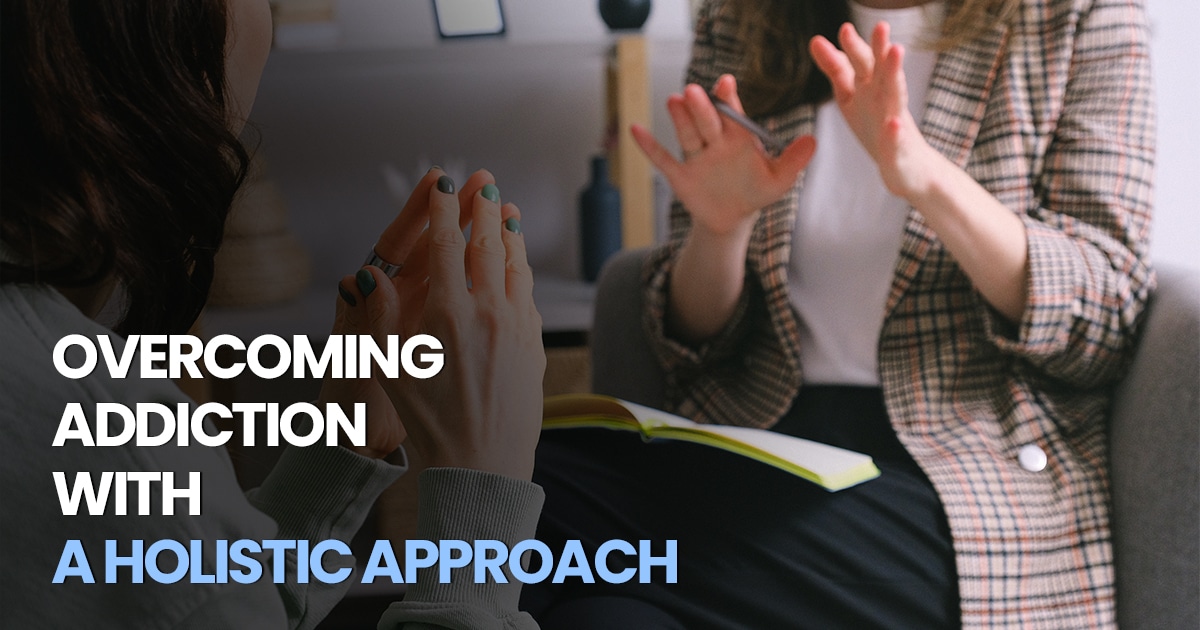
Deciding to seek help for addiction is a brave first step, but understanding your treatment options can feel overwhelming. One of the most important decisions in recovery is whether to pursue inpatient or outpatient care. Both approaches are effective, yet they offer different levels of support and structure. At EJCHE, we guide each individual through this decision, providing personalized care that addresses physical, emotional, and spiritual needs while promoting long-term wellness.
Understanding Inpatient Treatment
Inpatient treatment, also known as residential care, provides a highly structured environment where individuals live at the treatment facility for a designated period. This immersive approach allows clients to focus entirely on recovery without the distractions or pressures of daily life.
Key Benefits of Inpatient Treatment
- 24-Hour Medical and Clinical Support: Inpatient programs offer constant supervision and immediate access to medical care, making them ideal for severe addictions or co-occurring mental health disorders.
- Structured Daily Routine: Schedules include therapy sessions, group activities, skill-building exercises, and wellness programs designed to foster stability and recovery.
- Peer and Community Support: Living alongside others in recovery provides encouragement, accountability, and shared understanding.
- Holistic Healing Opportunities: Many inpatient programs, including those at EJCHE, incorporate exercise, mindfulness, nutritional guidance, and faith-based practices to promote mind, body, and spirit recovery.
Understanding Outpatient Treatment
Outpatient treatment allows individuals to live at home while attending scheduled therapy sessions, counseling, and support programs. This model provides flexibility for people with work, school, or family responsibilities.
Key Benefits of Outpatient Treatment
- Flexibility and Independence: Clients can continue with their daily responsibilities while participating in recovery programs.
- Ongoing Support: Outpatient care is excellent for maintaining sobriety after completing an inpatient program or for individuals with less severe substance use disorders.
- Access to Therapy and Counseling: Participants receive professional guidance through individual or group therapy, coping skills training, and relapse prevention planning.
- Holistic Integration: Outpatient programs at EJCHE often include mindfulness practices, spiritual guidance, and wellness strategies to support a balanced recovery.
Choosing the Right Path for You
Selecting between inpatient and outpatient care depends on several factors:
- Severity of Addiction: Individuals with a long history of substance use, medical complications, or co-occurring mental health disorders often benefit from inpatient care.
- Support System: A strong home environment can make outpatient care more effective, while those with less support may require the structured environment of inpatient treatment.
- Personal and Professional Responsibilities: Work, school, and family commitments may influence whether outpatient care is feasible.
- Goals for Recovery: The intensity of care needed and desire for holistic or faith-based approaches should guide the decision.
At EJCHE, we assess each client’s unique situation and develop a tailored treatment plan that maximizes the chances of long-term recovery. Both inpatient and outpatient programs are designed to provide compassionate support, evidence-based treatment, and strategies for emotional, mental, and spiritual healing.
Taking the First Step Toward Lasting Recovery
Breaking free from addiction begins with understanding your options and choosing the right path for your journey. Whether inpatient or outpatient treatment is the best fit, professional guidance, holistic care, and individualized support make lasting recovery attainable.
Reach out to EJCHE today to explore your treatment options and begin your journey toward a healthier, balanced, and fulfilling life. You do not have to face addiction alone.