
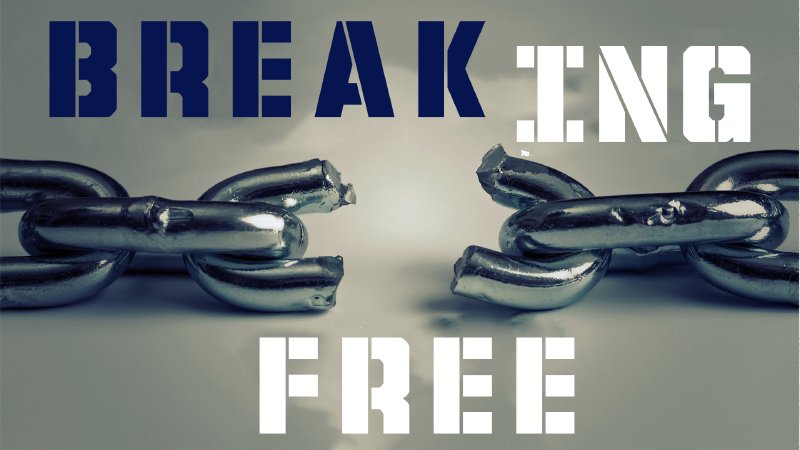
Breaking free from addiction can feel overwhelming, especially when substance use has affected your health, relationships, confidence, and sense of direction. You may want to make a change but feel uncertain about where to begin or whether you can manage recovery on your own. The truth is that you do not have to face this process alone. With the right addiction recovery support, professional treatment, and encouragement from people who understand your challenges, you can begin rebuilding your life one step at a time. Recovery is not simply about stopping substance use. It is also about addressing emotional needs, developing healthier habits, and creating a support system that helps you move forward.
At EJCHE, individualized addiction recovery and mental health care recognize that every person’s circumstances are different. Finding the right support means looking at the whole person and identifying the services, relationships, and practical tools that can make recovery more manageable.
Why Support Matters When Breaking Free From Addiction
Addiction can create a cycle that becomes increasingly difficult to interrupt without help. Substance use may affect decision-making, emotional health, family relationships, and daily responsibilities. At the same time, feelings of shame, guilt, or fear can make it difficult to ask for assistance.
Professional and personal support can help reduce that isolation. Instead of trying to manage every challenge independently, individuals can access guidance, encouragement, and treatment strategies suited to their needs.
Addiction Is More Than a Matter of Willpower
It is common for people struggling with addiction to blame themselves for their circumstances. However, substance use disorders involve changes in brain function, behavior, motivation, and reward pathways. Mental health conditions, trauma, chronic stress, and environmental pressures may also contribute.
Recognizing these factors does not remove personal responsibility. Rather, it helps explain why professional treatment can be important. Addiction recovery services provide structured support to address the different influences that can keep substance use going.
Isolation Can Make Recovery More Difficult
When people feel judged or misunderstood, they may withdraw from family members and friends. They might avoid discussing their struggles or conceal how much substance use affects their lives.
Unfortunately, isolation can make difficult emotions harder to manage. Without reliable support, stressful situations may increase the temptation to return to familiar coping behaviors.
A recovery support network creates opportunities for honest conversations, accountability, and encouragement. Knowing that someone is available to listen can make it easier to seek help before a problem becomes more serious.
Building a Strong Addiction Recovery Support Network
A strong support system does not need to include a large number of people. What matters is having reliable individuals and professional resources that encourage healthy decisions and respect the recovery process.
Work With Qualified Addiction Treatment Professionals
Addiction treatment professionals can help individuals understand their substance use patterns, identify treatment needs, and establish realistic recovery goals. They can also assess whether additional medical or mental health services are appropriate.
Depending on the person’s circumstances, support may include:
- Individual counseling to explore personal experiences and recovery challenges.
- Group therapy to connect with others facing similar difficulties.
- Mental health treatment for anxiety, depression, trauma, or other concerns.
- Relapse prevention planning to identify warning signs and develop practical responses.
- Continued counseling and recovery support as treatment needs change.
Professional guidance is particularly important when withdrawal symptoms may occur. Some substances can cause dangerous withdrawal complications, so individuals should seek medical advice before stopping use, especially after prolonged or heavy use.
Rebuild Trust With Family and Friends
Addiction can place significant pressure on relationships. Loved ones may feel hurt, disappointed, worried, or uncertain about how to help. Meanwhile, the individual experiencing addiction may struggle with guilt or fear of rejection.
Rebuilding trust takes time. Honest communication, consistent actions, and clear boundaries can help create healthier relationships. Family counseling may also provide a structured setting where people can discuss concerns and learn how to support recovery without encouraging harmful behavior.
Loved ones can contribute by listening without judgment, encouraging professional treatment, and recognizing progress. However, they should not be expected to manage addiction alone or replace qualified care.
Consider Peer and Community Support
Connecting with people who understand addiction can reduce feelings of loneliness. Peer support groups offer opportunities to share experiences, discuss challenges, and learn practical strategies from others working toward recovery.
Community involvement can also help individuals establish positive routines and meaningful connections. Whether through recovery meetings, support organizations, volunteer activities, or faith communities, healthy relationships can provide encouragement during difficult periods.
How Mental Health Treatment Strengthens Addiction Recovery
Addiction and mental health concerns often influence each other. A person may use substances to manage anxiety, depression, painful memories, or emotional distress. Over time, substance use can worsen these concerns and create additional challenges.
For this reason, effective addiction recovery should consider mental health as part of the treatment process.
Address the Emotional Factors Behind Substance Use
Mental health counseling can help individuals understand the emotions and experiences connected to their substance use. For example, someone who drinks after arguments may discover that unresolved conflict and difficulty managing anger are important triggers.
A therapist can help the individual recognize these patterns and practice healthier responses. Treatment may include cognitive and behavioral strategies, emotional regulation skills, stress management, and trauma-informed care when appropriate.
The goal is not simply to avoid substances. It is to develop healthier ways to respond to the situations that previously contributed to substance use.
Learn Practical Coping Skills
Recovery involves facing everyday challenges without returning to harmful behaviors. Professional counseling can help individuals build skills such as:
- Recognizing emotional and environmental triggers.
- Managing stress through healthy activities and relaxation techniques.
- Communicating needs and setting personal boundaries.
- Responding to cravings with a planned set of coping strategies.
- Seeking help when difficult emotions become overwhelming.
Practicing these skills regularly can increase confidence and make recovery more sustainable.
Finding the Right Level of Treatment and Care
The right treatment approach depends on a person’s substance use history, physical health, mental health needs, home environment, and available support. Inpatient and outpatient programs offer different levels of structure, and a professional assessment can help determine which option is appropriate.
When Inpatient Addiction Treatment May Be Helpful
Inpatient or residential treatment provides a structured setting where individuals can focus on recovery with consistent professional support. It may be appropriate for people who need a higher level of care, have significant challenges maintaining safety in their current environment, or require intensive treatment.
Services may include individual therapy, group counseling, mental health support, recovery education, and structured daily routines. This environment can help individuals step away from situations associated with substance use while developing healthier habits.
Medical assessment is important when withdrawal or other health complications are possible. Treatment professionals can help determine whether supervised detoxification or additional medical care is necessary.
How Outpatient Treatment Supports Continued Progress
Outpatient treatment allows individuals to attend scheduled therapy and recovery services while continuing to manage responsibilities at home, work, or school.
Depending on the program, care may include counseling, group sessions, mental health services, and relapse prevention support. Outpatient treatment can also help individuals apply recovery skills in their everyday environments.
For some people, outpatient services provide an appropriate starting point. Others may benefit from outpatient care after completing inpatient treatment. The best choice depends on individual clinical needs and should be determined with qualified professionals.
Supporting Recovery Through Whole-Person Care
Long-term recovery involves more than treatment appointments. Daily routines, physical wellness, personal values, and meaningful relationships can all influence how individuals feel and function.
Develop Healthy Habits That Support Progress
Simple daily habits can create greater stability. Consistent sleep, nutritious meals, regular physical activity, and time for relaxation support general health and well-being.
Mindfulness, meditation, journaling, and other reflective activities may also help individuals recognize emotional changes and manage stress. These practices can complement professional treatment, although they should not replace clinical care when it is needed.
Include Faith and Spiritual Support When It Matters to You
For individuals who value spirituality, faith-based support may provide hope, direction, and a sense of connection. Prayer, spiritual reflection, and participation in a supportive faith community can reinforce personal values and encourage positive choices.
Spiritual support should reflect the individual’s beliefs and preferences. It can be incorporated alongside professional addiction and mental health treatment as part of a personalized recovery plan.
Take the First Step Toward Recovery With the Right Support
Breaking free from addiction does not mean having every answer or managing every challenge independently. It means recognizing when help is needed and taking practical steps toward change. Professional treatment, mental health counseling, family involvement, peer support, and healthy daily habits can work together to create a stronger foundation for recovery.
EJCHE recognizes the importance of individualized care that considers each person’s experiences, emotional needs, and recovery goals. Whether inpatient or outpatient treatment is appropriate, the right support can help you address the challenges behind substance use and develop healthier ways to move forward.
If addiction is affecting your life, consider reaching out to a qualified treatment professional. You can begin with an honest conversation about what you are experiencing and what kind of help may be available. You do not need to wait until you feel ready to handle everything. Asking for support is a meaningful first step toward breaking the cycle of addiction and building a healthier future.